Should You Wear an Upper or Lower Night Guard — or Both?

Choosing Between Upper vs. Lower Night Guards: What You Need to Know
If you’re dealing with teeth grinding (bruxism), jaw pain, or nighttime clenching, your dentist may recommend a night guard. But a common question is:
Should I wear an upper night guard, a lower one, or both?
At DentaByte, we specialize in custom-fit night guards made for comfort and long-term protection — and we often help customers choose the best option for their needs. In this post, we’ll break down the differences between upper and lower night guards, when each is recommended, and whether wearing both is ever necessary.
What’s the Difference Between Upper and Lower Night Guards?
A night guard (also called an occlusal guard or dental guard) is a custom-made device worn over your teeth while you sleep. It acts as a cushion between the upper and lower arches, helping prevent:
Night guards can be made for either the upper or lower teeth, and both serve the same essential purpose: to protect your bite from damage caused by grinding or clenching.
Is It Better to Wear an Upper or Lower Night Guard?
Here’s how to decide which one might be right for you:
Upper Night Guards
Most commonly recommended by dentists.
Advantages:
Best for:
People who haven’t had extensive dental work on upper teeth and who need strong protection from grinding.
Lower Night Guards
An increasingly popular option, especially for comfort.
Advantages:
Best for:
People with sensitive upper gums, or those who can’t tolerate upper night guards.
Do You Need Both Upper and Lower Night Guards?
In most cases, no — you only need one.
Wearing both would cancel out the protective benefit, as the materials would grind against each other and potentially wear down faster.
Dentists typically recommend wearing a night guard on only one arch — whichever provides the best protection and comfort for your bite. This is why custom-fit night guards are so important: they’re designed specifically for your unique mouth and dental history. Check out our post on the top 5 benefits of using a custom night guard for teeth grinding.
Why Choose DentaByte for Your Night Guard?
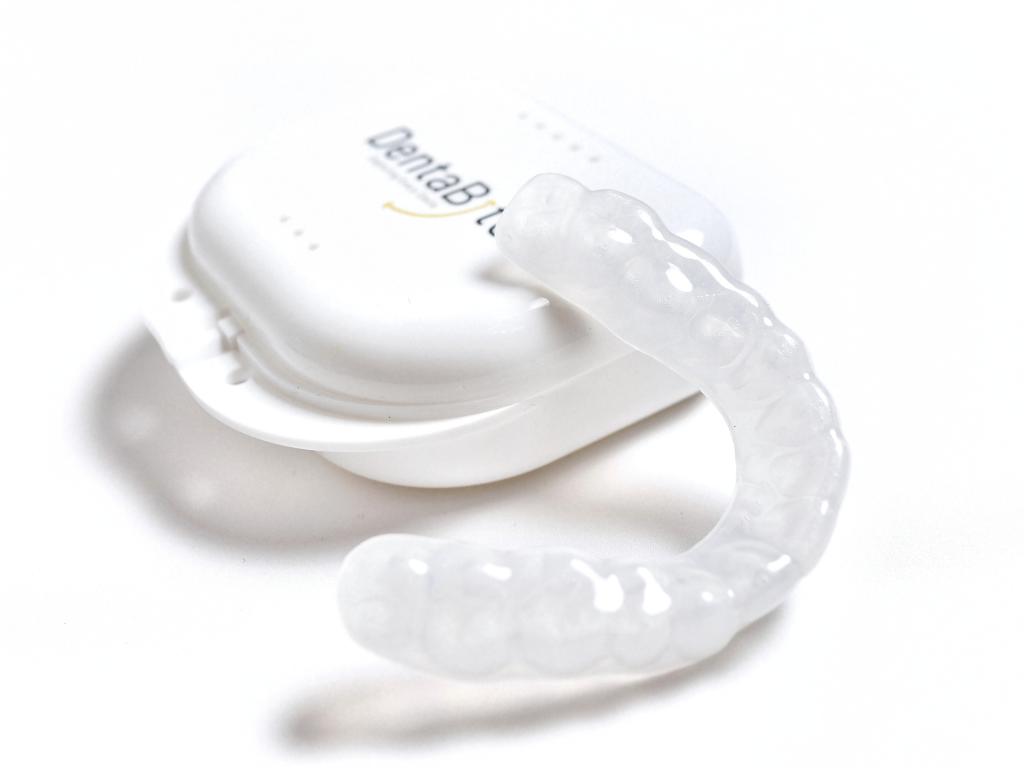
Should you wear an upper or lower night guard — or both?
For most people, one well-made night guard (on either the upper or lower arch) is all that’s needed to prevent grinding and protect your teeth.
At DentaByte, we make the process easy, affordable, and customized to fit you perfectly. Choose the guard that works best for your comfort, dental history, and lifestyle — and let us take care of the rest.
Shop custom night guards now at DentaByte and sleep better knowing your smile is protected.
Already a DentaByte customer? You can reorder your night guard here at a discounted price—no new impression needed!